

Machine learning models are useful only if they are effective in solving real world problems. Designing Machine Learning Systems: An Iterative Process for Production-Ready Applications extends the machine learning algorithm development to the design, deployment, and productionization of scalable machine learning systems.
This book is for engineers, data scientists, and AI practitioners who need to create reliable machine learning pipelines that deliver results that are robust beyond the research phase.
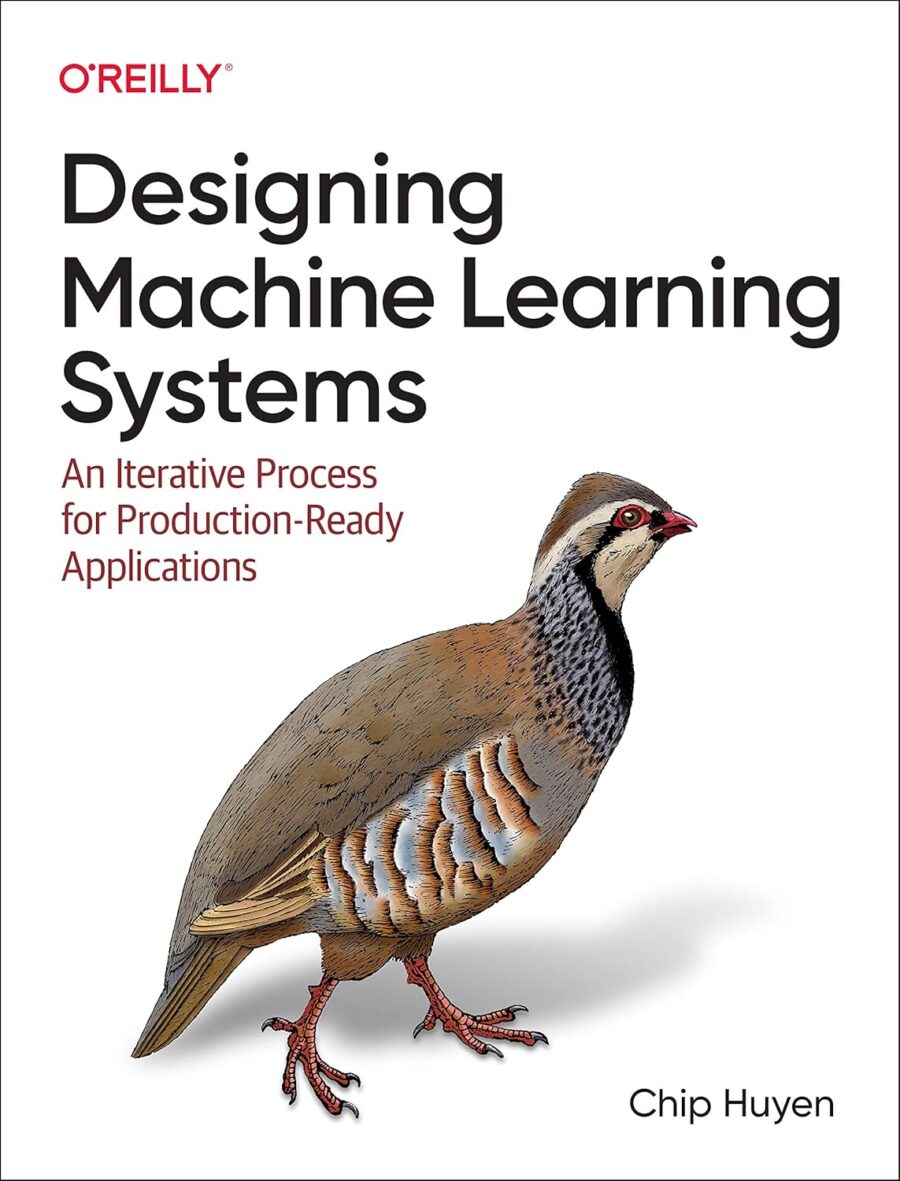
Why Machine Learning System Design Matters
Creating a reliable machine learning model is just one of the elements of a successful AI project. In the real world, models must be capable of adapting to the changing data, scale efficiently, be able to track performance and adapt over time.
This book explains how to design a machine learning system in an iterative way, and provides a holistic understanding of the entire lifecycle of a production-ready ML application. It goes beyond algorithms and outlines the role of each of its parts, from data collection to deployment, in building reliable AI solutions.
What You’ll Learn
The book covers every major stage involved in designing modern machine learning systems, including:
- Machine Learning System Architecture
- Data Engineering Pipelines
- Data Collection and Labeling
- Feature Engineering
- Model Training
- Model Evaluation
- Model Deployment
- Monitoring and Maintenance
- Continuous Learning
- MLOps Best Practices
- Experiment Tracking
- Model Versioning
- Infrastructure Scaling
These concepts are explained using practical examples drawn from real production environments, making the book highly valuable for professionals building AI-powered products.
Focus on Production-Ready Machine Learning
Unlike many beginner machine learning books that stop after model training, Designing Machine Learning Systems emphasizes deploying models into production. Readers learn how to handle challenges such as:
- Data drift
- Concept drift
- Model degradation
- Feedback loops
- Bias and fairness
- Data quality issues
- Infrastructure reliability
- Performance monitoring
Understanding these real-world problems helps developers build machine learning systems that remain accurate and dependable over time.
An Iterative Development Approach
One of the book’s greatest strengths is its focus on iteration. Rather than treating machine learning as a one-time process, it presents system development as a continuous cycle of improvement.
Readers learn how to:
- Collect better data over time
- Improve model performance through experimentation
- Monitor predictions in production
- Retrain models with updated datasets
- Measure business impact
- Optimize system reliability
This iterative mindset reflects how successful machine learning systems are developed and maintained in leading technology companies.
Who Should Read This Book?
This book is ideal for:
- Machine Learning Engineers
- Data Scientists
- AI Engineers
- Software Developers
- MLOps Engineers
- Data Engineers
- Cloud Engineers
- Computer Science Students
Even readers who already understand machine learning algorithms will benefit from learning how to transform research models into production-ready systems.
Key Benefits of the Book
Some of the major advantages include:
- Covers the complete machine learning lifecycle.
- Focuses on production-ready AI applications.
- Explains real-world machine learning challenges.
- Introduces modern MLOps practices.
- Provides practical system design principles.
- Emphasizes scalability, monitoring, and maintenance.
- Bridges the gap between machine learning research and software engineering.
These practical insights make the book one of the most valuable resources for engineers working with AI in production environments.
Why This Book Stands Out
Many machine learning resources concentrate on algorithms, mathematics, or coding exercises. Designing Machine Learning Systems takes a broader perspective by explaining how successful AI products are actually built and maintained.
The book highlights the importance of collaboration between data scientists, software engineers, product managers, and infrastructure teams. It also demonstrates how thoughtful system design leads to more reliable, scalable, and maintainable machine learning applications.
By focusing on practical engineering decisions rather than only model accuracy, it prepares readers for the challenges they are likely to encounter in professional AI and machine learning roles.
Final Thoughts
Designing Machine Learning Systems is a must-have for anyone who wants to deploy their machine learning models at scale. It is not just about algorithms; it encompasses the entire lifecycle of modern AI systems, from data collection and model training to deployment, monitoring, and continuous improvement.
From designing recommendation systems to fraud detection models, computer vision applications and large-scale AI platforms, this book equips you with the know-how to create strong, production-ready machine learning systems.
It’s a must-read for machine learning engineers, data scientists, and software developers looking to build trustworthy, scalable, and effective AI applications, thanks to its hands-on strategy, emphasis on MLOps, and iterative development focus.
If you are a beginner then also read this book: Fundamentals of Computer